Mental Health for Pregnancy & Postpartum
Support for the Journey Into Motherhood

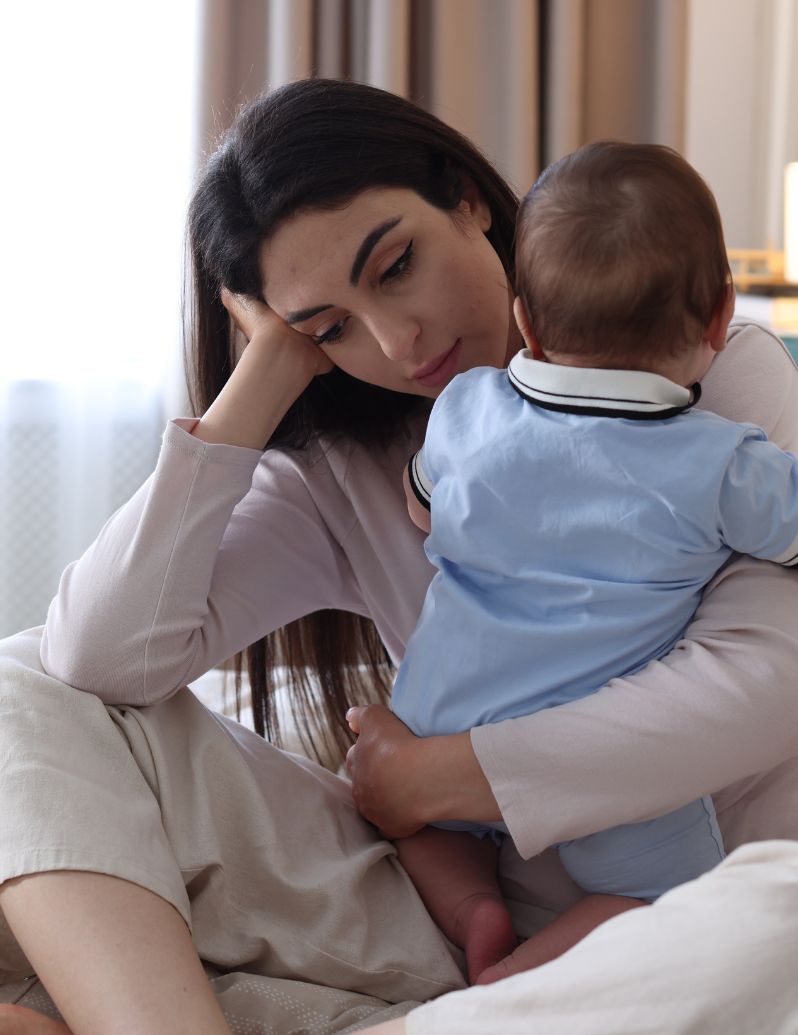
Pregnancy and postpartum are often described as joyful seasons—but for many women, they can be some of the most difficult. Anxiety, depression, intrusive thoughts, or traumatic birth experiences can leave you feeling overwhelmed, isolated, or unsure of yourself as a new parent.
At A New Day Psychology, I provide specialized care for women navigating these unique challenges. With advanced training in perinatal mental health and years of clinical experience, I help mothers and mothers-to-be find relief, strength, and hope during this transformative season. I also offer specialized support for infertility challenges, pregnancy loss, and birth trauma.
Specialized Training in Perinatal Mental Health
Certified Perinatal Mental Health Provider
Through Postpartum Support International
This certification reflects:
This expertise allows me to support women through the full spectrum of mental health concerns that may arise during pregnancy and postpartum with compassionate, evidence-based care.
Common Concerns I Help With
Therapy can be especially helpful if you are experiencing:
Infertility challenges or navigating fertility treatments (IUI, IVF, Reciprocal IVF, surrogacy)
Pregnancy or Postpartum Depression, Anxiety, Bipolar Disorder, OCD, and/or PTSD
A traumatic birth experience or emergency delivery
Pregnancy loss or stillbirth
Termination for medical reasons (TFMR)
Scary, intrusive thoughts about yourself or your baby
Feeling a loss of identity or lack of support as a new parent
Parenting struggles that feel overwhelming
Worry that you are "not a good enough mother"
How Therapy Helps
Supporting Your Journey
Together, we create a safe, non-judgmental space to explore your feelings, understand your symptoms, and build coping strategies that work in real life. Therapy can help you:
Treatment Approaches
Depending on your needs, I may use approaches such as:
Evidence-Based Methods
You Are Not Alone
If you are struggling during pregnancy or postpartum, know this: it does not mean you are failing.
Many women experience these challenges, and help is available. With the right support, healing and hope are possible.
Why Choose A New Day Psychology
PMH-C Certified
Certified Perinatal Mental Health specialist
Licensed Across States
Licensed in Missouri and New Jersey via PSYPACT
Flexible Telehealth
Convenient online sessions for new mothers
Insurance Accepted
We work with major insurance providers
Perinatal Therapy in Missouri, New Jersey & Beyond
Specialized perinatal mental health care is accessible through secure telehealth. Whether you're in Kansas City, St. Louis, Newark, Jersey City, or anywhere in Missouri or New Jersey, expert support for pregnancy and postpartum challenges is available from a PMH-C certified therapist.
Serving Missouri
Providing expert perinatal mental health care throughout Missouri, including Kansas City, St. Louis, Springfield, Columbia, and all surrounding communities.
Learn About Missouri ServicesServing New Jersey
Offering compassionate perinatal support to clients across New Jersey, including Newark, Jersey City, Paterson, Elizabeth, and statewide.
Learn About New Jersey ServicesThrough secure telehealth technology, you can access specialized perinatal mental health care from the comfort of your home, anywhere in Missouri or New Jersey.
View All Service LocationsReady to Get the Support You Deserve?
Connect with a PMH-C certified specialist who understands your journey. Book your free consultation today.
Get Help Today - Free ConsultationPerinatal Mental Health FAQ
What is the difference between postpartum depression and baby blues?
Baby blues affect up to 80% of new mothers and typically last 2 weeks, involving mood swings, crying, anxiety, and difficulty sleeping. Postpartum depression is more severe, lasts longer than 2 weeks, and interferes with daily functioning. PPD symptoms include persistent sadness, loss of interest, difficulty bonding with baby, severe anxiety, thoughts of harming yourself or baby, and feeling like a bad mother. PPD requires professional treatment.
Can postpartum depression happen after any pregnancy?
Yes, postpartum depression can occur after any pregnancy—including after miscarriage, stillbirth, adoption, or surrogacy. It's not limited to vaginal births or first-time mothers. PPD can develop any time within the first year after childbirth, though it most commonly appears in the first few months. Previous postpartum depression also increases risk for future episodes.
What is postpartum anxiety and how is it different from PPD?
Postpartum anxiety involves excessive worry, racing thoughts, difficulty relaxing, physical symptoms like racing heart or nausea, and intense fears about the baby's health or safety. While PPD centers on depression and sadness, postpartum anxiety is characterized by worry and fear. Many people experience both together. Postpartum anxiety is very treatable with therapy and, when needed, medication.
Can fathers or partners experience postpartum depression?
Yes, postpartum depression affects partners and fathers too, not just birthing parents. Paternal postpartum depression occurs in approximately 10% of new fathers and can involve similar symptoms: sadness, anxiety, irritability, withdrawal, and difficulty bonding with baby. Partners deserve support and treatment just as much as birthing parents do.
Is it safe to do therapy while pregnant or breastfeeding?
Yes, therapy is completely safe during pregnancy and while breastfeeding. In fact, treating perinatal mental health concerns improves outcomes for both parent and baby. If medication is recommended, we work with your healthcare provider to find safe options. Untreated perinatal mental health conditions pose greater risks than treatment, so getting help is the safest choice for you and your baby.
Learn More About This Topic
Helpful articles from Dr. Pottenger on related topics
Postpartum Depression vs. Postpartum Anxiety: How to Tell the Difference
Are you experiencing postpartum depression or postpartum anxiety? Learn the key differences and when to seek professional support.
Perinatal OCD: When New Motherhood Triggers Frightening Thoughts
Intrusive thoughts about your baby? You're not alone. Learn about perinatal OCD, why it happens, and how specialized treatment can help.
Pregnancy After Loss: Navigating Grief, Fear, and Hope
Pregnancy after loss brings a complex mix of emotions. Learn how therapy can help you navigate fear, grief, and hope during this journey.
Related Services
Explore other areas where I can support you
Infertility Counseling
Emotional support for fertility struggles, IVF, IUI, pregnancy loss, and the journey to parenthood.
Grief Counseling
Support for pregnancy loss, stillbirth, TFMR, and the grief of difficult birth experiences.
Trauma Therapy
Healing from birth trauma, traumatic deliveries, NICU experiences, and postpartum PTSD.